Knowledge base
Applications for DTF transfers
DTF transfers are suitable for a wide range of applications in clothing and merchandise.
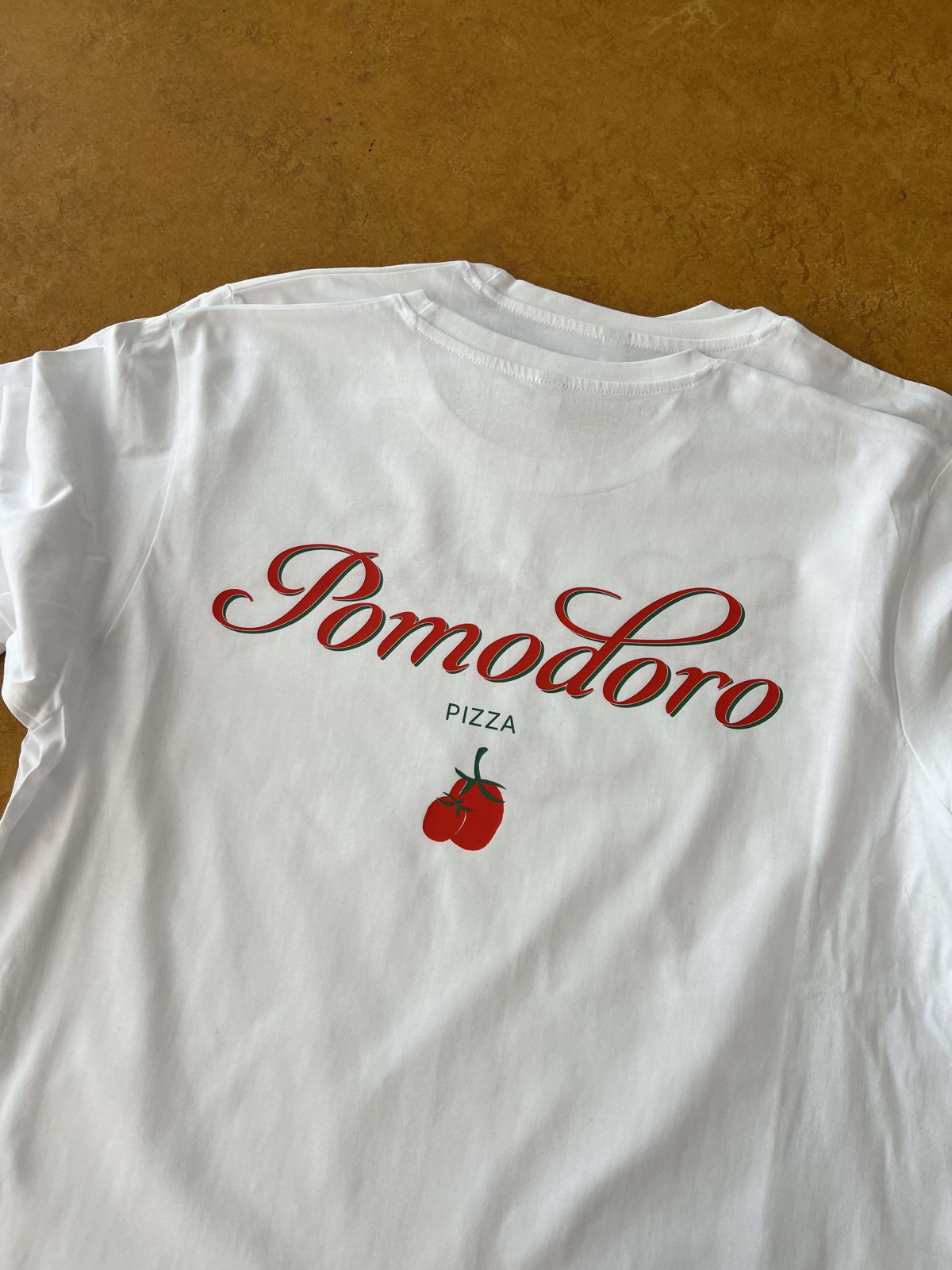
Suitable fabrics for DTF transfers
Our DTF transfers are extremely versatile and produce a razor-sharp, flexible and wash-resistant print on virtually any type of textile.
Which fabrics are suitable?
- 100% Cotton (Light & Dark): Excellent adhesion, feels supple and retains its appearance for a long time. Ideal for T-shirts, hoodies and bags.
- 100% Polyester & Sportswear: Highly suitable. We recommend pressing at a lower temperature to prevent shiny patches or shrinkage.
- Cotton/Polyester Blends: The perfect combination of comfort and durability.
- Canvas, Denim & Workwear: Robust adhesion on coarse fabrics; extremely hard-wearing.
- Nylon & Coated Fabrics: Suitable at lower temperatures and pressures. Preliminary testing is essential.
Please note regarding softshell & sublimated polyester (testing required)
With softshell jackets and sublimated (sports) clothing, synthetic dyes in the fabric may react again when exposed to heat. These pigments can bleed through the transfer (colour migration or bleeding), causing light-coloured prints to discolour.
To minimise this risk, we use a high-quality blockout powder. This forms an extra barrier layer on the reverse side of the transfer. In practice, we achieve very good results with this method on various softshell materials and sublimated polyester.
Why can’t we offer a 100% guarantee?
Every clothing manufacturer uses a unique combination of textile fibres, chemical dyes and water-repellent coatings (such as DWR/PU). As these compositions vary by brand and by batch, it is technically impossible to 100 per cent rule out colour migration or variations in adhesion in advance.
Our advice: Always test a new fabric or clothing line first on a sample piece or an inconspicuous area. This way, you’re assured of the best end result!
Tip for the perfect finish: Post-pressing
After heat pressing, remove the film (hot & cold peel) and always press the print again for 3 to 5 seconds using a sheet of baking paper or a Teflon sheet. This ensures an exceptionally attractive, even matt finish and optimally anchors the transfer into the textile fibres for maximum durability.
Washing instructions for a long lifespan
Provide your customers with the instructions below to keep the print looking its best for as long as possible:
- First wash: Wait at least 24 to 48 hours after heat pressing before washing.
- Inside out: Always wash and iron the garment inside out.
- Temperature: Wash at a maximum of 30°C to 40°C.
- No fabric softener: Use a mild detergent. Avoid bleach and fabric softener (fabric softener damages the adhesive).
- Drying & Ironing: Do not tumble dry. Never iron directly over the transfer.